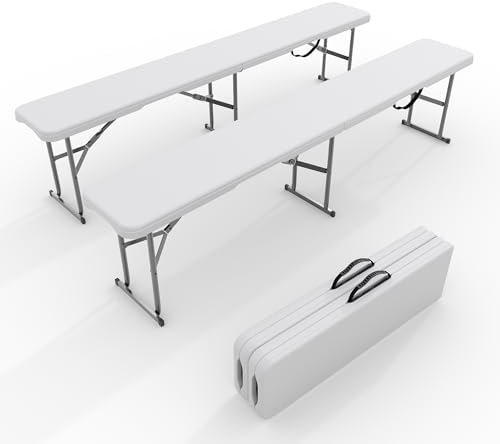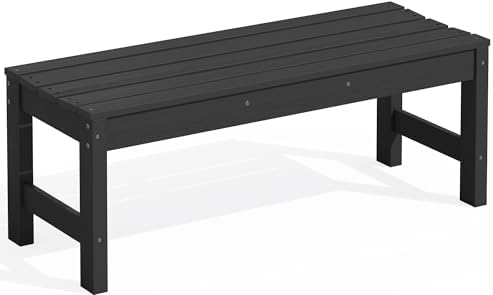

The first bench question is not how many incline settings it has. It is whether the frame, pad, and footprint suit your training space and the loads you plan to use. This guide explains how to compare benches under $150 without treating an unverified product claim as a test result; no specific model can be ranked responsibly without current specifications and retailer listings.
Decide between flat and adjustable
A flat bench has fewer moving parts and can suit floor presses, supported rows, and step-ups when its design permits. An adjustable bench opens up incline work, but the hinge and backrest mechanism add details to inspect, and the frame may take more space. If most of your planned workouts are flat pressing and dumbbell rows, paying extra for multiple angles may not improve your routine.
For a small room, check both the bench’s working dimensions and its folded dimensions, if it folds. A product described as compact can still be awkward to store beside a bed or behind a door. Look for stated pad width, height, and adjustment positions so you can compare the actual configuration rather than relying on product photos.
Spend the ceiling carefully
In a lower budget tier, roughly under $75, focus on a stable basic design and verify the stated load capacity and construction details instead of expecting premium adjustments. Around $75–$115, compare whether an adjustable backrest is worth the space and added mechanism for your training plan. Near the $150 limit, use the extra room in the budget to prioritize clearer specifications, a suitable footprint, and a return policy you understand—not simply more features.
The main upside of a basic flat bench is simplicity; the trade-off is that it cannot provide incline positions. An adjustable model offers more exercise angles, but may fold less neatly or require more assembly. If neither option fits the budget or room, floor presses and bodyweight work are practical temporary alternatives, though they do not replace every bench exercise.
Verify before committing
Check the manufacturer’s stated weight capacity and whether it refers to the user, the lifted load, or a combined limit. Review the frame material, pad measurements, adjustment method, assembly requirements, and return terms on the current product page. These are specifications to verify, not evidence that a bench has been personally tested by Budget Strength Supply.
A frequent question is whether an adjustable bench is always the better buy: no, not if its extra positions go unused or the folded size does not work in your home. Another is whether a listed capacity guarantees stability during every movement; it does not replace checking the design, setup instructions, and intended use. If we add retailer links, they may earn this publication a commission; the purchase itself happens on the retailer’s website.